Services
Five ways the desk gets the proof
Each service ends in something you can hold: a transcript, a certificate, a license listing as published, or one file that documents a whole training history with a source for every line. Colorado and nationwide for education records.
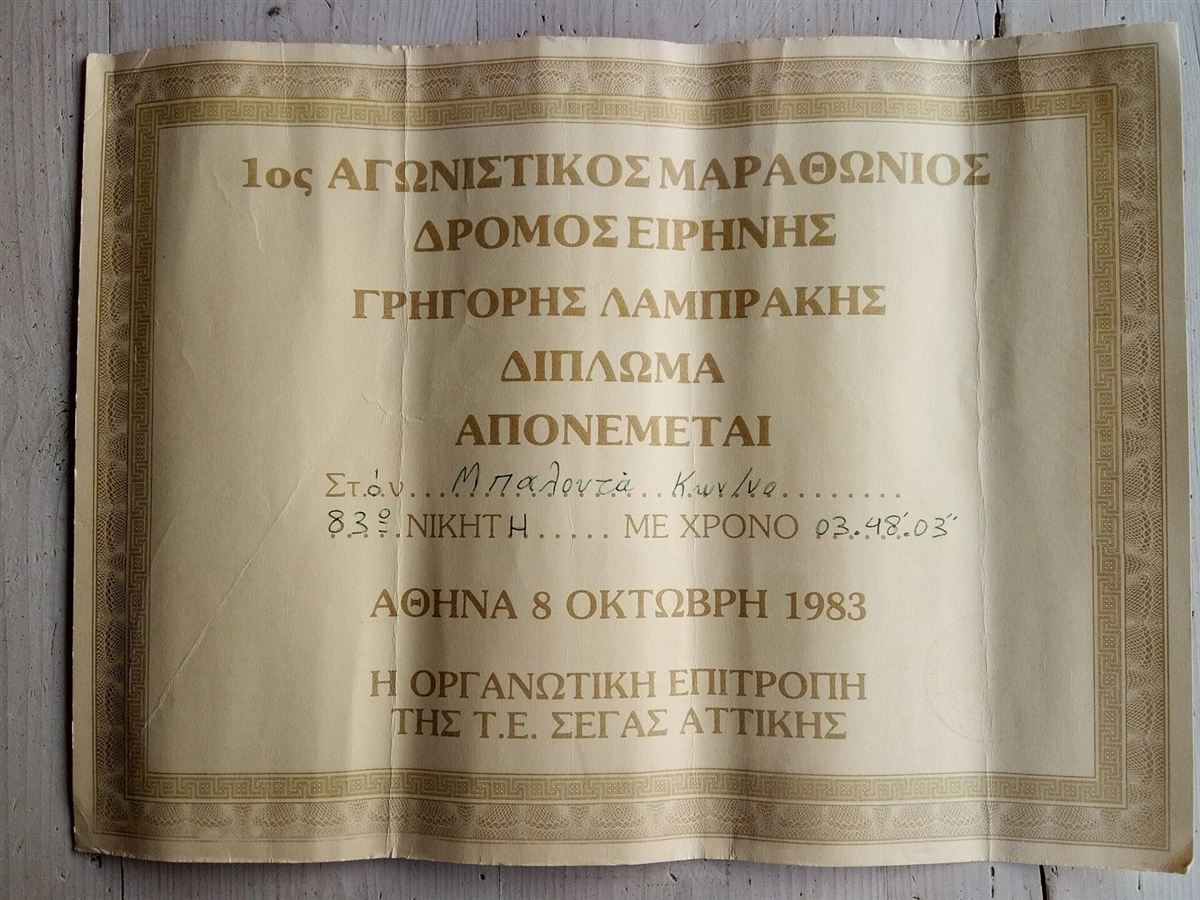
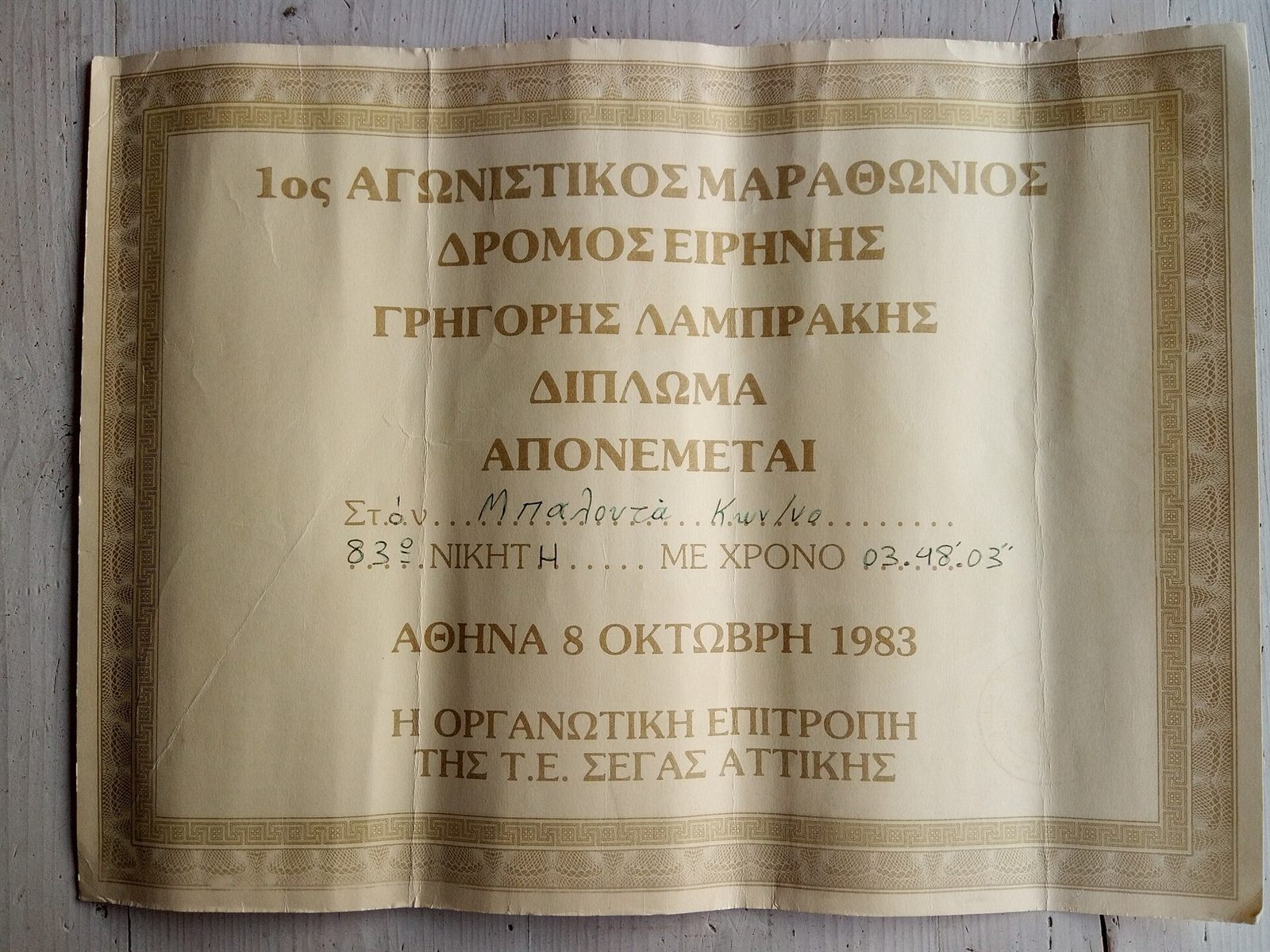
Transcript and diploma requests
We write and file requests to colleges, trade schools, districts and training providers, including schools that have closed and handed their records to a successor or a state agency. The request carries the identifiers a registrar actually needs: the name you trained under, the program, the years and any student number you still have.
- The correct records office, identified before anything is sent
- A request drafted so it can be answered on the first pass
- Written confirmation of what was delivered, or of what the office says it does not hold
Closed institution research
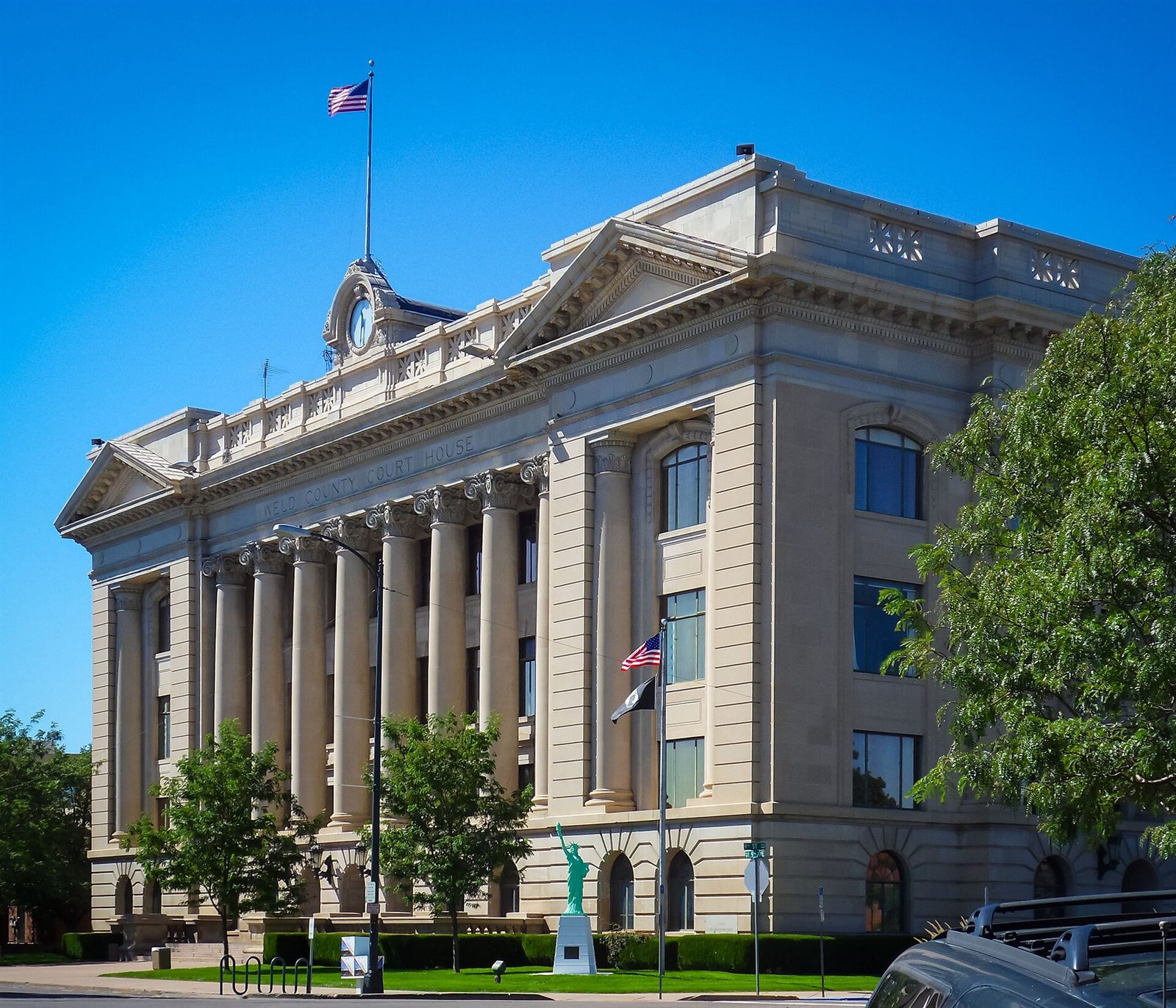
When a school shuts its doors, the student files usually survive somewhere: a successor institution, a state education agency, an accreditor's archive or a district office. We trace where the records went, who holds them now, and what a former student can still obtain — and we write the trail down so it does not have to be walked twice.
- The chain of custody, from the closed campus to the current holder
- The custodian's own requirements for a request, in writing
- A clear answer when a record set simply no longer exists, with the search documented
Apprenticeship and training records
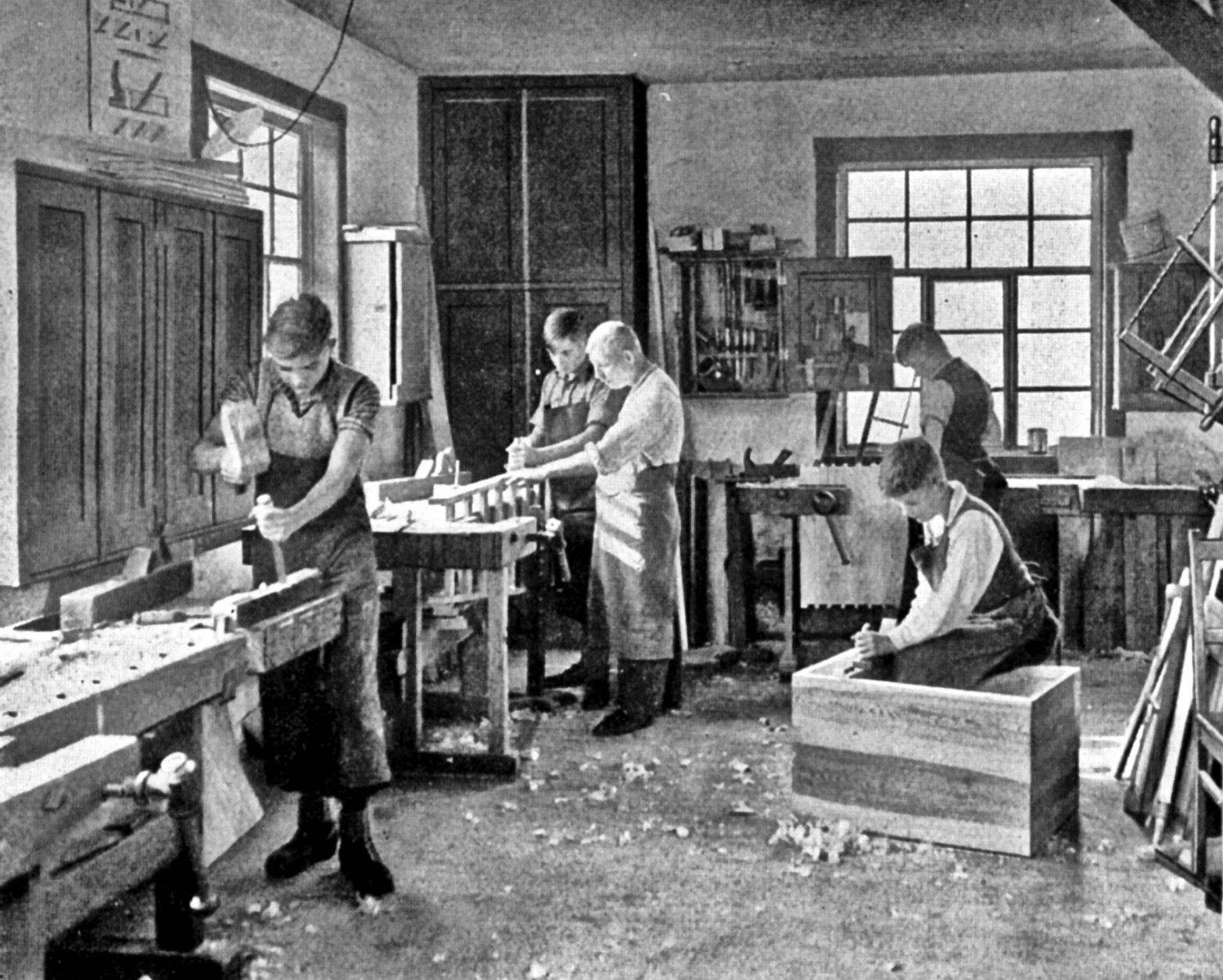
Apprenticeships leave a paper trail with the sponsoring body: program completion, hours served, certificates earned and the way each of them was recorded. We gather that trail into one account of the training you actually finished.
- Completion, hours and certificates as the sponsor recorded them
- The issuing body named for every certificate
- A timeline of the training, in order, ready to hand to an employer or a board
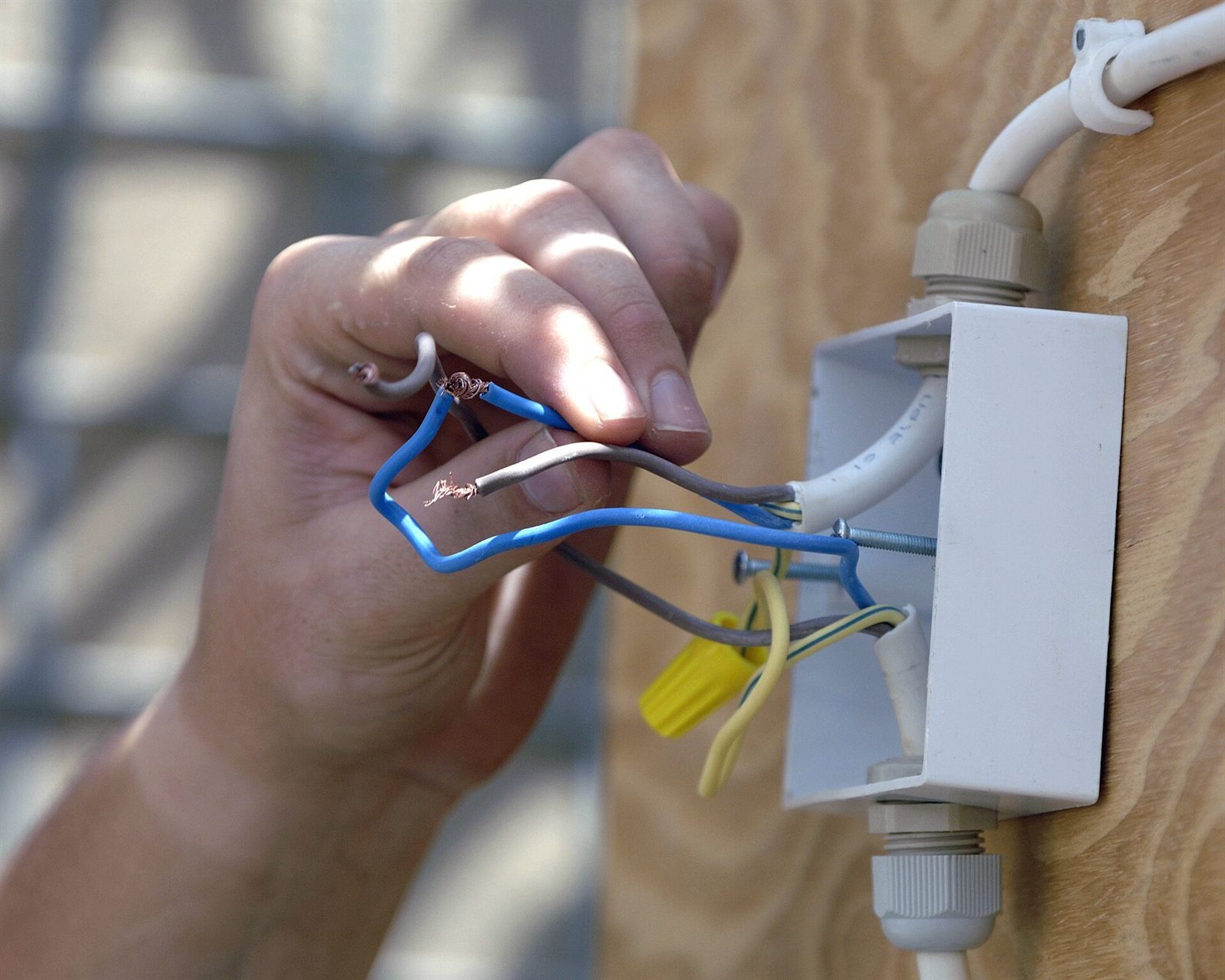
Occupational license research
State boards publish license listings for trades and technical occupations. We run index-level checks of those listings and report what they show: the issuing board, the license status as published, and where the underlying record lives. We report the index; we do not interpret it.
- The listing entry, with the issuing board named
- License status exactly as published on the day it was checked
- A note on which office holds the full license record

Employment and training history documentation
The whole story in one file: what you trained in, where, when, and which document supports each line. Useful before a job application, a license petition, a veteran's benefit review or a promotion board — any moment where "I can do this" has to become "here is the record that shows it."
- One organized file, in order, with a source named for every entry
- Gaps listed plainly instead of hidden
- Plain-language notes that a hiring manager or a board can follow
Record types
What the file can contain
- Academic transcripts
- Completion certificates
- Apprenticeship records
- Occupational license listings
- Continuing education hours
- Closed school records
- Credential evaluations
- Employment training files
Service area: Colorado, and nationwide for education records. If you are not sure which service fits your situation, describe it and the desk will say which one does — or tell you honestly if none of them will help.